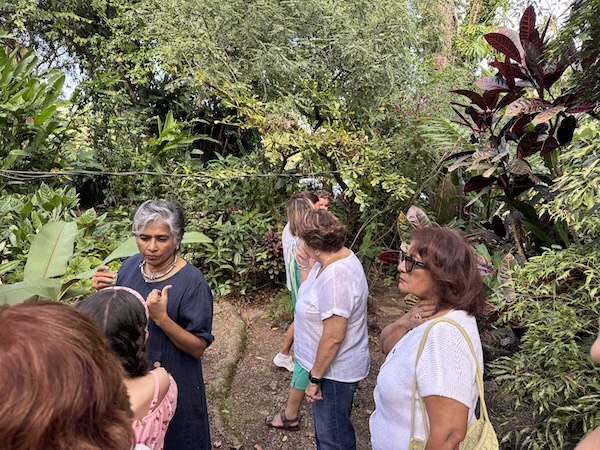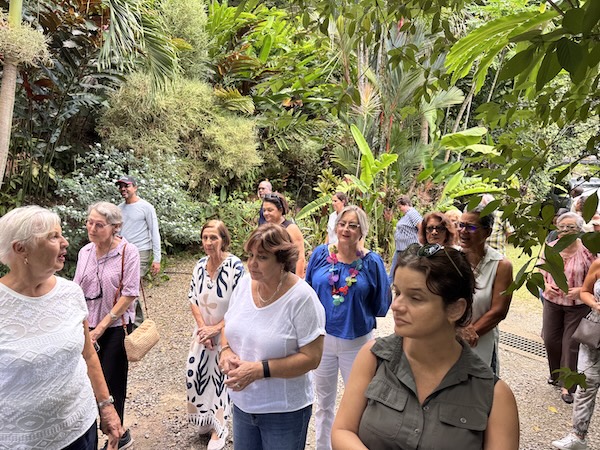
Meeting at Peter & Chancy Moll's in Santa Cruz
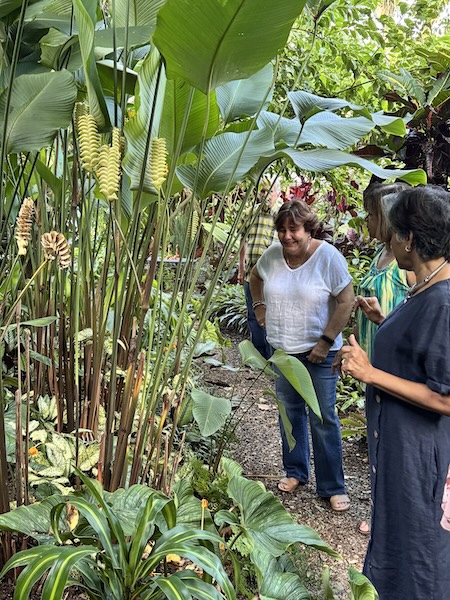
February is the month of “The Greatest Show on Earth,” the Trinidad and Tobago Carnival, but this was, to me, surpassed by the splendor of the large, tropical paradise of Peter and Chancy Moll in Santa Cruz, Trinidad.
Just a week earlier the twin islands pulsed to the rhythm of calypso and soca while their hillside estate offered a different kind of spectacle, one that was quieter, more enduring, and in its own way, just as intoxicating. Here the performance was not on a stage of asphalt, wood and steel, but on a living canvas of green, orchestrated by nature itself and conducted by two devoted horticulturists.
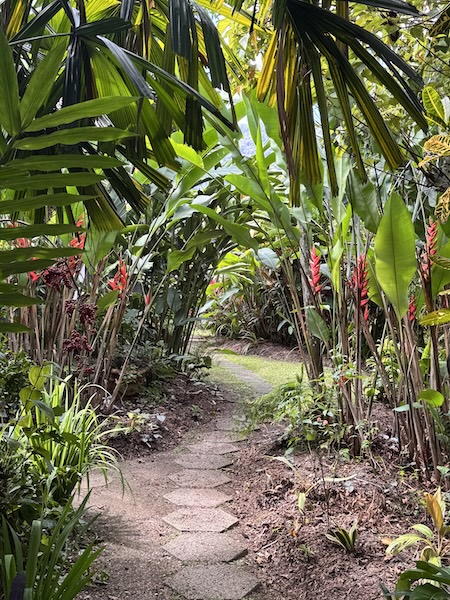
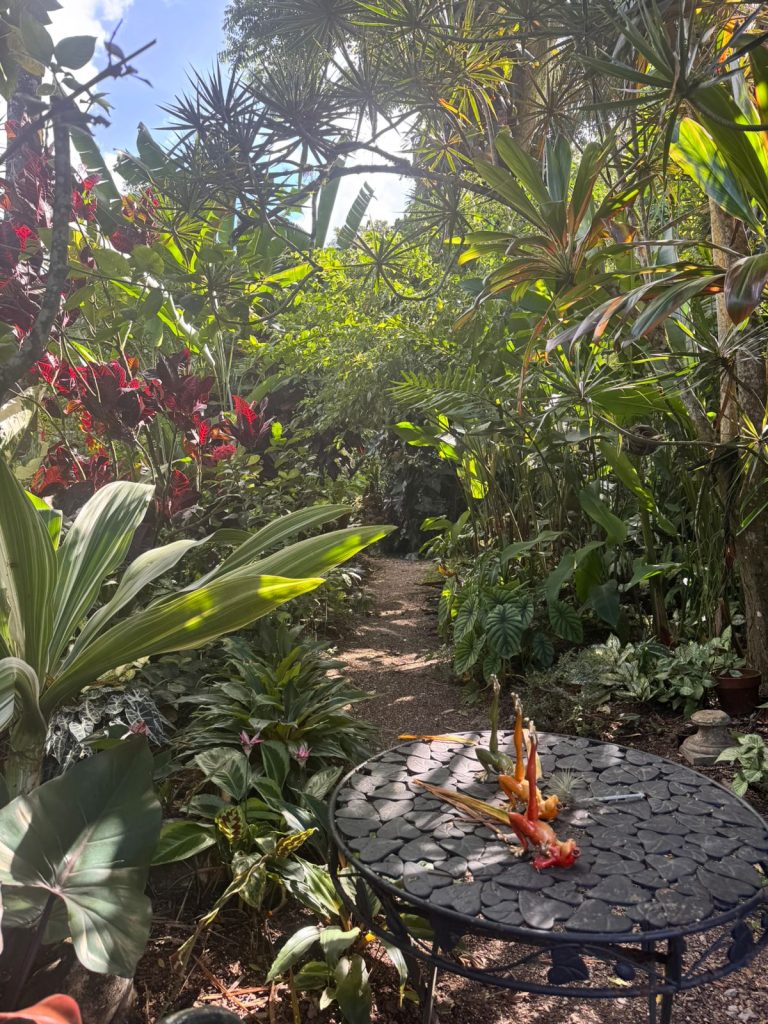
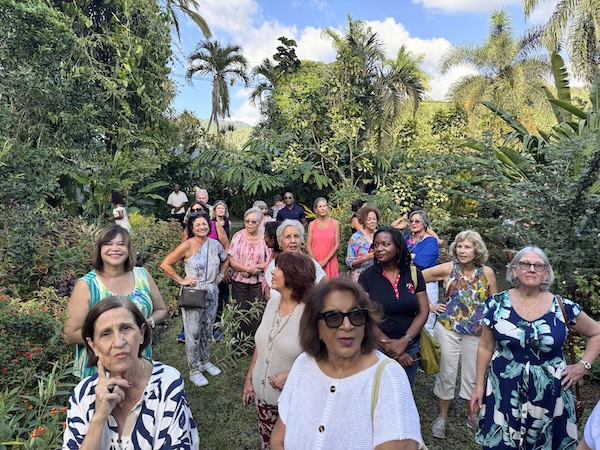
To ascend the winding driveway from their plant shop at the entrance was to leave urban bustle behind and enter a world of profound tranquility. The air, thick with the humidity of the Northern Range, carried not the smell of car fumes and street food, but the rich, loamy scent of earth and the sweet perfume of blossoms, both seen and unseen. This was a sanctuary where the true drama unfolded not in a few days, but across the entire year, reaching a particular crescendo of vibrancy in the February sunshine. The Molls’ garden was not merely a collection of plants; it was a living tapestry, woven with the same passion and artistry that other Trinidadians poured into their masquerade costumes.
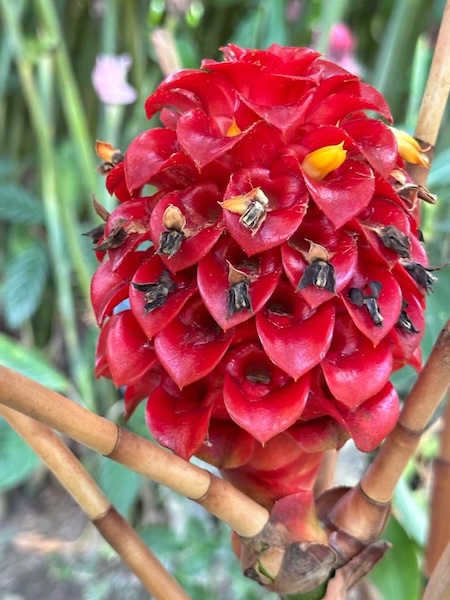
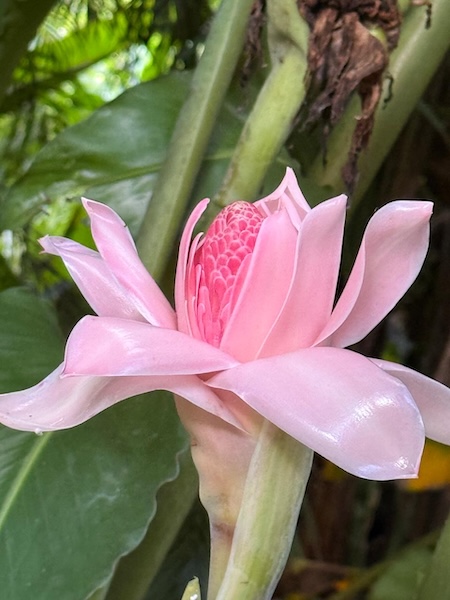
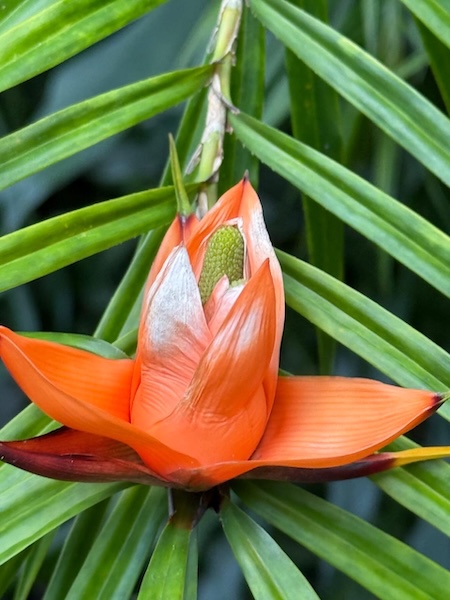
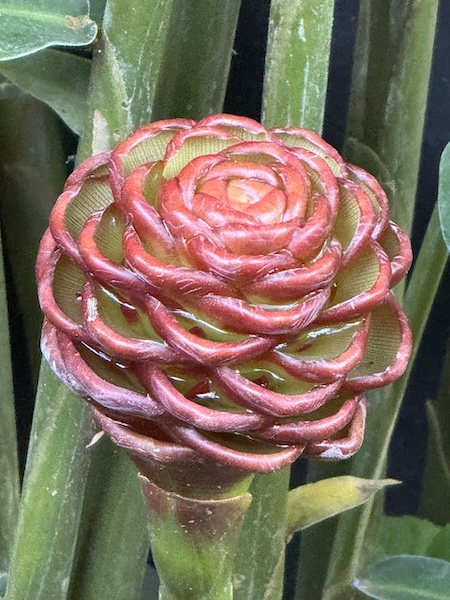
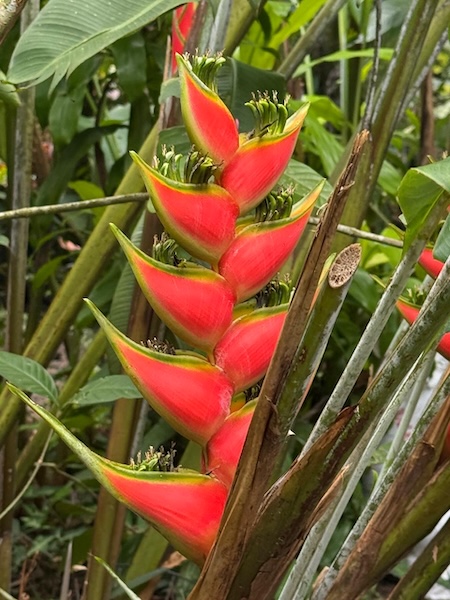
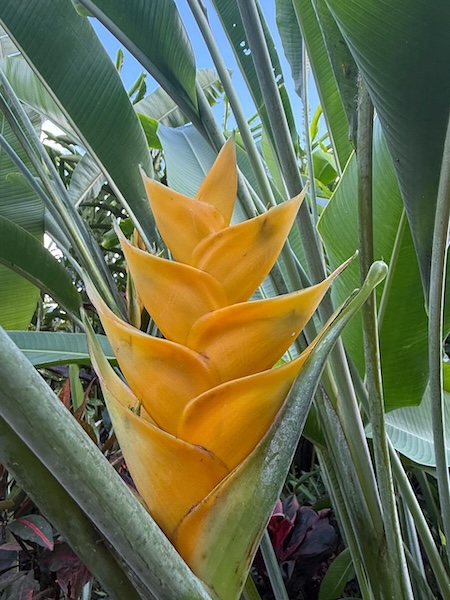
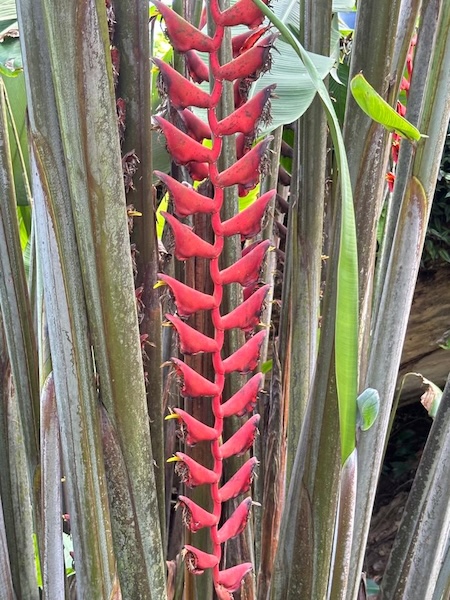
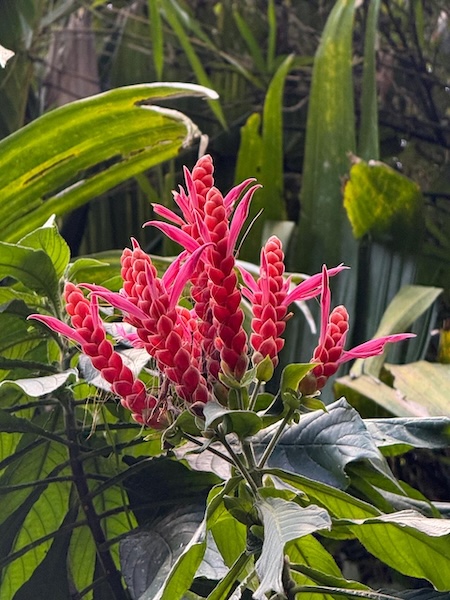
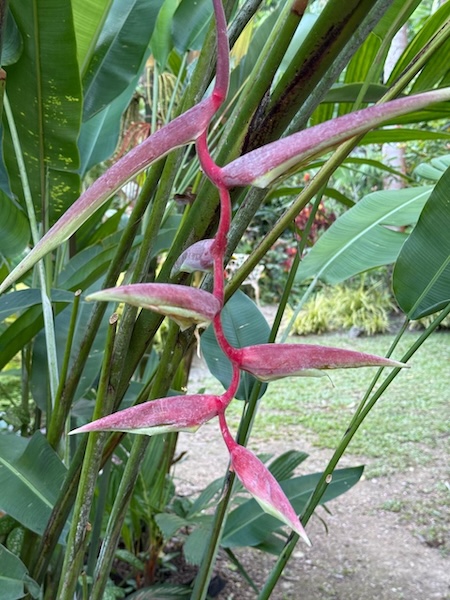
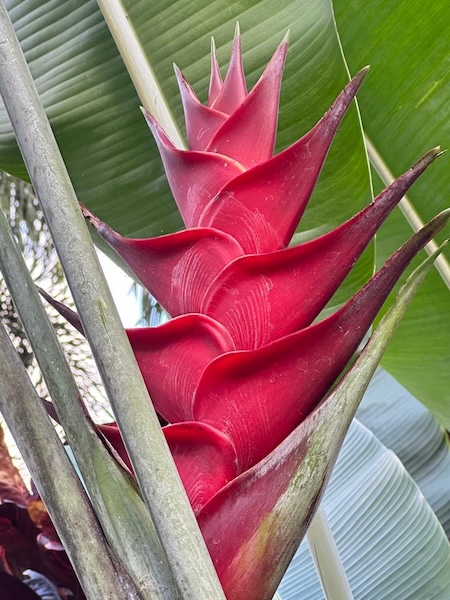
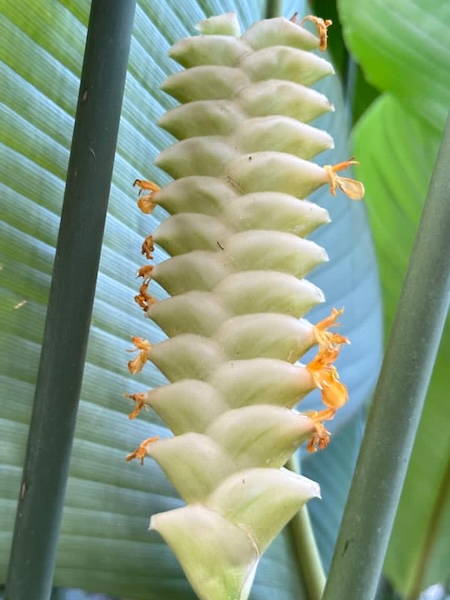
The stars of this show were undoubtedly the Heliconias, which Chancy has a particular penchant for. They rose from the damp soil like colourful birds frozen in mid-flight, their pendant bracts of flaming red, deep orange, and sunny yellow hanging in elegant arcs. The famous “Lobster Claw” varieties mingled with the more upright, waxy blooms of others, creating a kaleidoscope of tropical colour that seemed almost impossibly vivid in the clear February light.
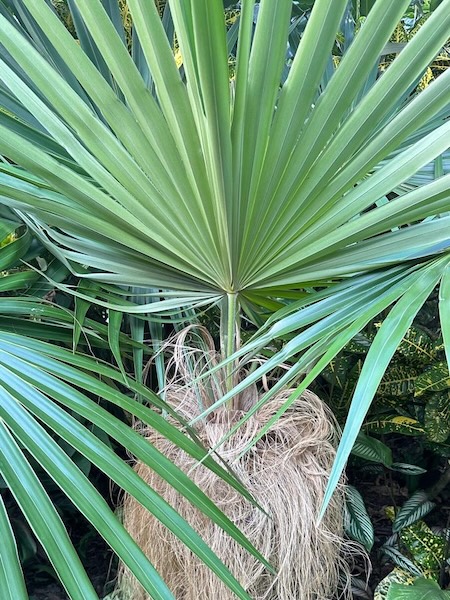
Towering above them all were the many palms dotted throughout the landscape, standing like botanical sentinels keeping watch over the spectacle below, their smooth grey columns topped with a burst of verdant plumage that swayed gently against the blue sky. They provided the vertical structure, the stately architecture upon which the rest of the garden’s exuberance could hang.
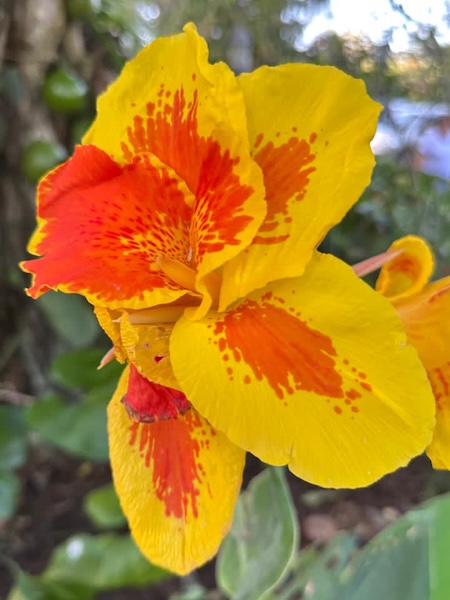
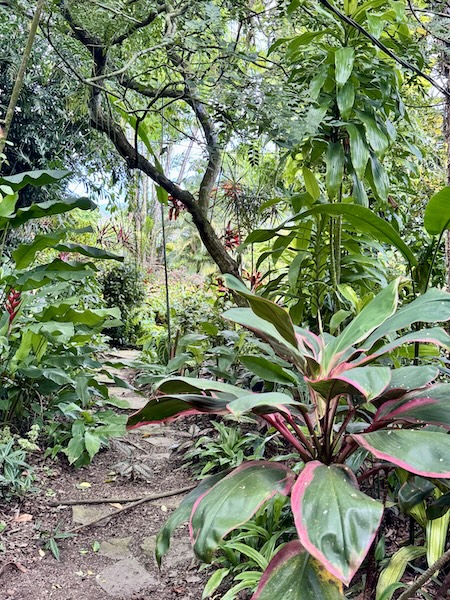
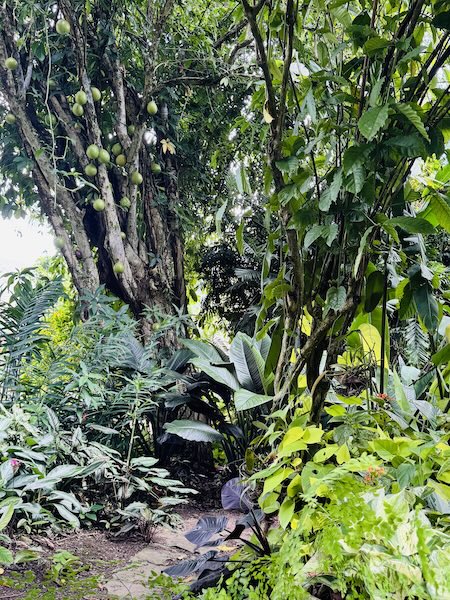
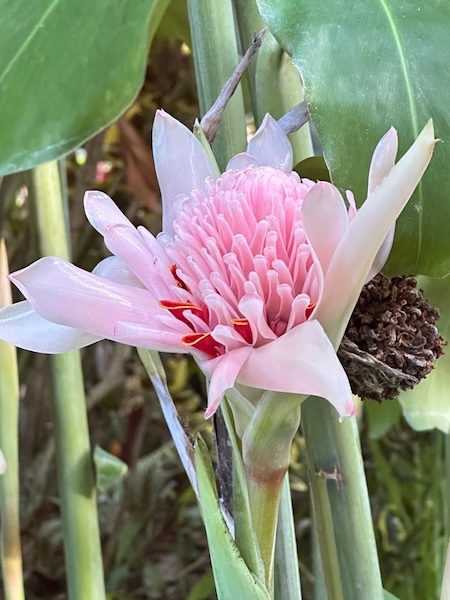
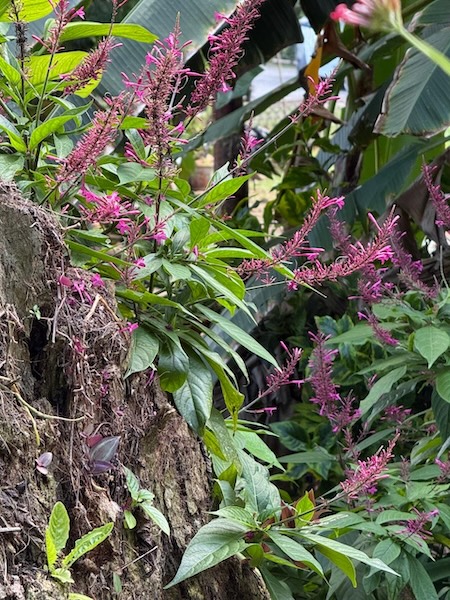
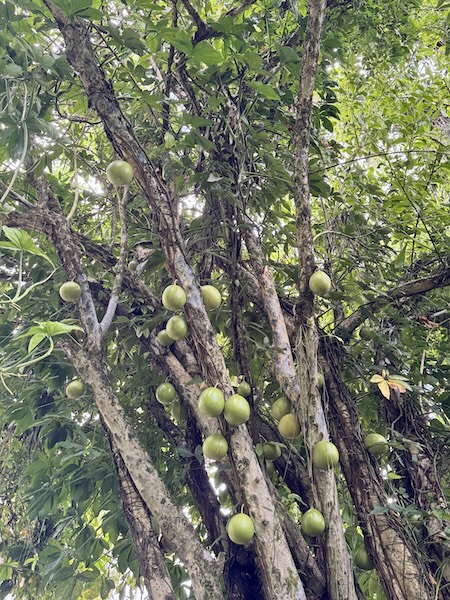
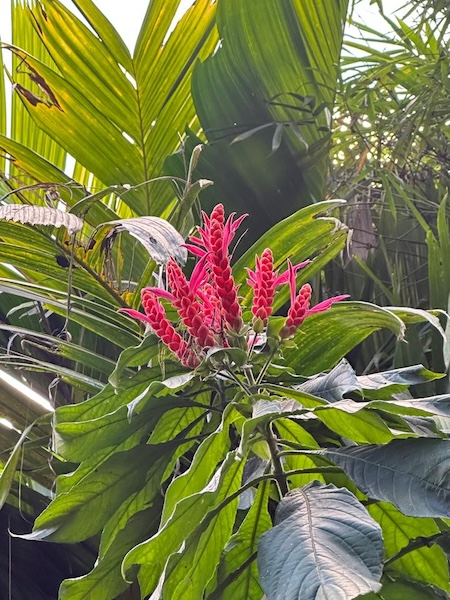
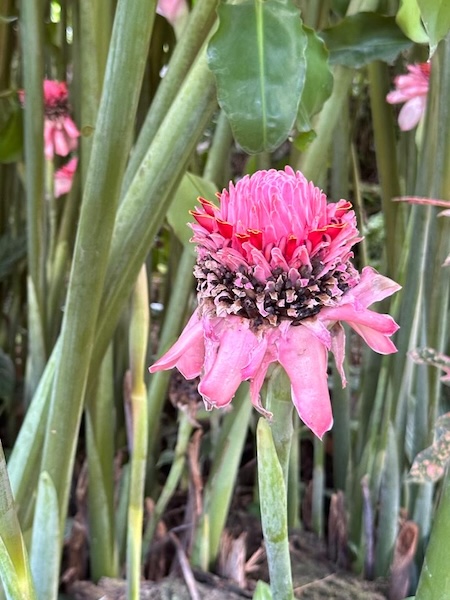
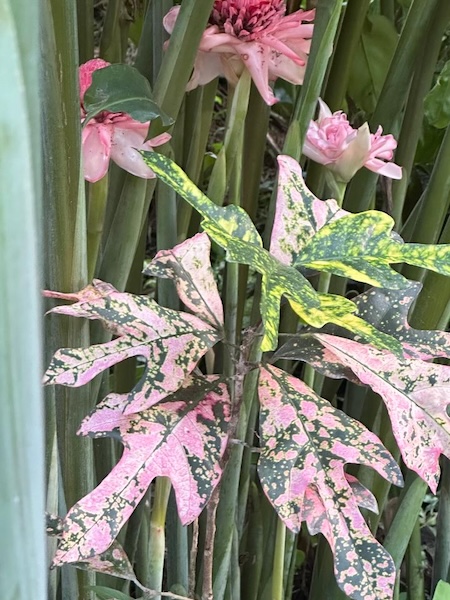
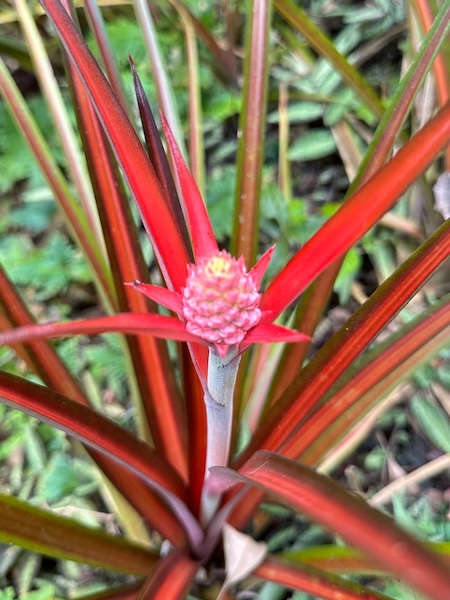
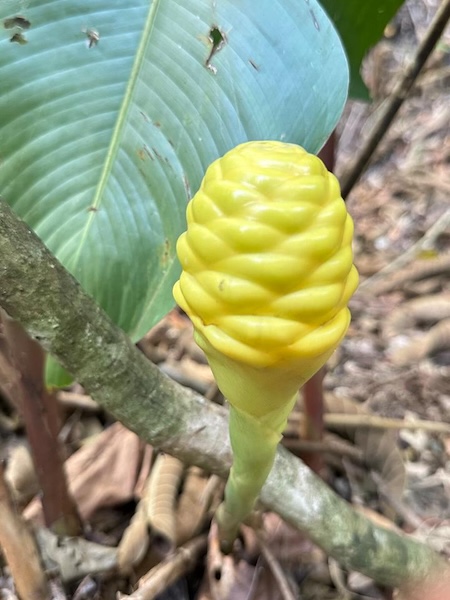
But it was at ground level, in the flowing borders of Crossandras and Chrysothemis, along with the sporadic groupings of Crotons and Cordylines, that the garden’s true genius for design revealed itself. Here, the Molls had planted vast, sweeping drifts of Calatheas, whose softly silvered leaves created rivers of light and understated colour that wound their way through the deeper greens of the foliage. These weren’t rigid, geometric lines, but organic, meandering curves that guided the eye and the visitor on a journey of discovery. They led past clumps of vibrant ginger lilies, around the massive buttress roots of ancient past and living shade trees, and towards secluded benches that offered breathtaking views of the many secret pathways. This was the true splendor of the Molls’ paradise: its ability to harmonize the bold with the serene.
The Heliconias provided the dramatic, show-stopping solos, but the Crossandra borders provided the gentle, persistent chorus that gave the garden its soul. It was a place where one could wander for hours, finding new wonders of nature in every corner, each turn of the path revealing a perfect composition of light, shadow, and colour. Although the soca filled air of the recent past left its imprint on our minds, here the only music was the rustle of palm fronds, the hum of a visiting hummingbird, and the chirping of the numerous avian residents that make here their home.
As February draws to a close, and the last strains of Carnival music fade from the streets of Port of Spain, the garden of Peter and Chancy Moll will continue its own, quieter performance. Its splendor is not a fleeting moment of competition and revelry, but a constant, evolving state of being. It is a testament to a different kind of love for Trinidad—a love not just for its culture, but for the very soil and spirit of its landscape. In their hillside paradise, the greatest show on earth was, is, and always would be, the garden itself.
VIEW SLIDESHOW BELOW